


By developing these skills, individuals can better navigate their emotional landscape, reduce the power of internal triggers, and ultimately support their journey to lasting recovery. Long-term drug use creates an association in the brain between daily routines and drug experiences. Individuals may suffer from uncontrollable drug or alcohol cravings when exposed to certain cues. The cravings act as a reflex to external or internal triggers, and this response can even affect alcoholism treatment individuals who have abstained from drugs or alcohol for a long time. Stress is a potent internal trigger that can significantly impact individuals in recovery.
Admissions Process
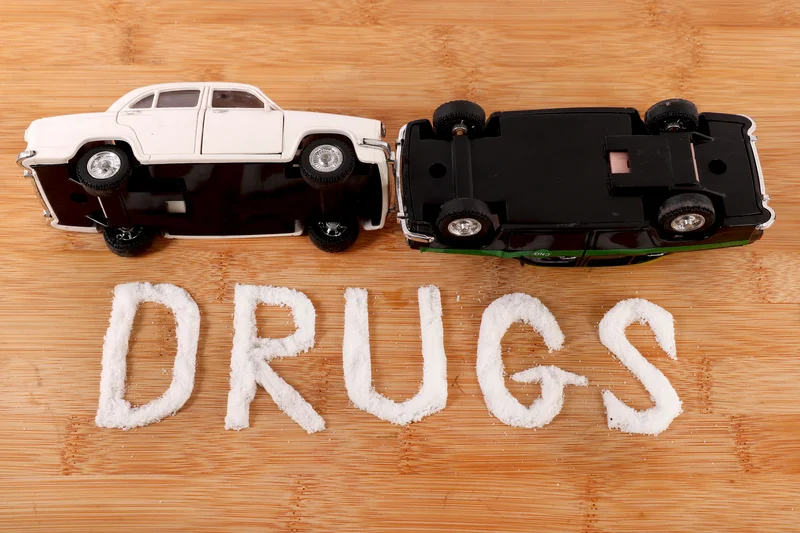
Understanding how triggers affect you is vital to avoiding potential relapse. Addiction recovery is a complex and ongoing process that requires a deep understanding of the underlying factors that contribute to relapse. SENSORY TRIGGERS are related to the senses of sight, sound, taste, and touch. They might include certain styles of music or specific songs, or the taste of a drug. For example, powdered sugar or artificial sweetener, which resembles powdered drugs, can be a powerful trigger for people who used cocaine, methamphetamines, or heroin. Avoid external triggers whenever possible, and get rid of any item that may lead to a trigger.
Does My Health Insurance Cover Treatment?
While it is difficult to step away from friends, family, and loved ones; sometimes, you may have to keep them at an arm’s length. And if you can’t avoid these people in your life, you should consider limiting your time with them, even if it is a coworker or your employers; Limit how much time you spend with them in the office. In the process, you will be able to better maintain your abstinence and find it easier for you to recover. Gatehouse Treatment would like to help you overcome your relapse triggers. We propose you take a moment to learn about how addictive triggers can impact your life. In doing so, you will be able to spot the different signs of addiction and protect yourself better in the future.
Mental Health Worksheets
It can stem from common sources like work, personal relationships, financial concerns, and self-imposed expectations. Without healthy coping mechanisms, individuals faced with stress are more likely to relapse. Therefore, providing emotional tools to manage high-risk situations is internal triggers essential in preventing relapse. Emotions that act as internal triggers can be negative, positive, or neutral. Internal triggers are emotions, feelings, thoughts, and memories that make the person want to use alcohol or drugs.
Paying for Treatment

External triggers are factors outside of an individual that may provoke a craving or desire to return to substance use. Developing an understanding of these external triggers and learning effective strategies to cope with them is essential in preventing relapses. Every individual in recovery from a drug or alcohol addiction needs to work each day to keep their sobriety.
Resilience equips individuals with the strength to weather challenges, adapt to change, and persist in their recovery journey. In doing so, it fosters personal growth and self-confidence, fortifying the path toward sustained recovery. Many of these internal triggers are deeply rooted in personal experiences and can be linked to negative self-perception and other distorted beliefs.
Anger Triggers Worksheet

Some, people struggling with drug and alcohol addiction feel as though they can’t mix and mingle without the use of substances. Addiction relapse triggers in drug and alcohol abuse recovery are quickly becoming a major concern for inpatient and outpatient treatment addicts. Substance abuse triggers are internal and external cues that cause a person in recovery to crave drugs and often relapse or lapse. Effective management of internal triggers often involves learning new emotional regulations and coping strategies. These may include mindfulness practices, cognitive-behavioral techniques, and self-care routines.
- One of the most critical aspects of maintaining sobriety is recognizing and managing triggers.
- It requires introspection, patience, and, often, the guidance of a mental health professional.
- Having a plan to get through times when cravings are triggered can help avoid relapse.
- Learning to identify and cope with triggers is a popular strategy for the treatment of several problems—especially anger and addictions—because of the effectiveness and intuitiveness of the approach.
Treatment Can Be Life Changing. Reach out today.
- This might involve steering clear of specific locations or individuals that could trigger a relapse.
- Whether they are internal feelings, external environments, or sensory experiences, identifying these triggers early on can make a significant difference in maintaining sobriety.
- And if you can’t avoid these people in your life, you should consider limiting your time with them, even if it is a coworker or your employers; Limit how much time you spend with them in the office.
- The brain registers these stimuli and processes them in the same areas involved in drug-seeking behavior.
At AToN Center, we recognize the unique challenges that individuals face when confronting their triggers and provide comprehensive support to develop healthier coping strategies. Triggers are people, places, things, experiences, feelings, or events that can cause a person to crave drugs or alcohol, leading to relapse. Our state-specific resource guides offer a comprehensive overview of drug and alcohol addiction treatment options available in your area. Both types of triggers present unique challenges that can derail a recovery process. Understanding how these triggers affect you is vital to avoid potential relapse.
Individuals often underestimate the dangers of situations and fall into the trap of single-time use. They give themselves permission to use substances in a controlled way, but the frequency of use generally increases until they fully relapse. It is essential to keep in mind that while many triggers result from negative events or experiences, positive events or experiences can also trigger a relapse. External triggers involve conditions or environments that can prompt substance use. They are external factors or situations that remind one of past behaviors.
Managing Internal Triggers
On average more than 85% of individuals are susceptible to relapse in the following year after drug and alcohol treatment. Relapse triggers are far more extreme for recovering addicts in the early recovery months of addiction treatment. Understanding and managing external triggers is a crucial part of the recovery journey. It requires vigilance, resilience, and a commitment to ongoing self-improvement. But with the right support and resources, individuals can effectively navigate these challenges and continue on their path to recovery. Understanding and managing triggers is a vital https://ecosoberhouse.com/ part of long-term recovery from addiction.