


Ever stared at your Solana wallet’s transaction history and thought, “Wait, what’s really going on here?” Yeah, me too. It’s kinda like looking at your bank statement but with a twist—more tech, less clarity sometimes. Seriously, the raw data can be overwhelming if you don’t know how to read between the lines. And don’t get me started on picking the right validator for staking. Wow! That part can feel like navigating a maze blindfolded.
Okay, so check this out—transaction history on Solana isn’t just a list of deposits and withdrawals. It’s a detailed log that can tell you a lot about your wallet’s activity, security, and even how your staking rewards are stacking up. But here’s the kicker: most wallets don’t display this info in a way that’s easy to digest for everyday users. That’s exactly why I’ve been leaning on the solflare wallet. It strikes a nice balance between user-friendliness and powerful features for deep dives into your transactions.
Initially, I thought all Solana wallets would show the same transaction details, but then realized that’s far from true. Some hide complexities, others let you drill down into each token transfer, smart contract interaction, and validator performance stats. This variability can seriously affect how you manage your assets—especially if you’re staking or involved in DeFi.
Hmm… something felt off about the way many guides gloss over validator selection. It’s like they want you to pick quickly and move on. But really, who you delegate your stake to can impact your rewards and the network’s security. It’s more than just picking a name that sounds cool. The thing is, deciding on a validator requires a bit more homework than most people realize.
Here’s the thing. Validator performance stats aren’t always straightforward, and some validators might have great uptime but questionable community engagement or decentralization practices. I know, it sounds like a lot, but taking time to understand this can save you from headaches down the road.
Why Your Solana Transaction History Matters More Than You Think
Let’s break it down. Your transaction history isn’t just a record; it’s a story of your wallet’s journey through the Solana ecosystem. Each entry reflects an interaction—sending tokens, staking, swapping in DeFi, or even failed transactions that you might have shrugged off. Really? Failed transactions? Yep, those can cost you fees and tell you if something’s fishy.
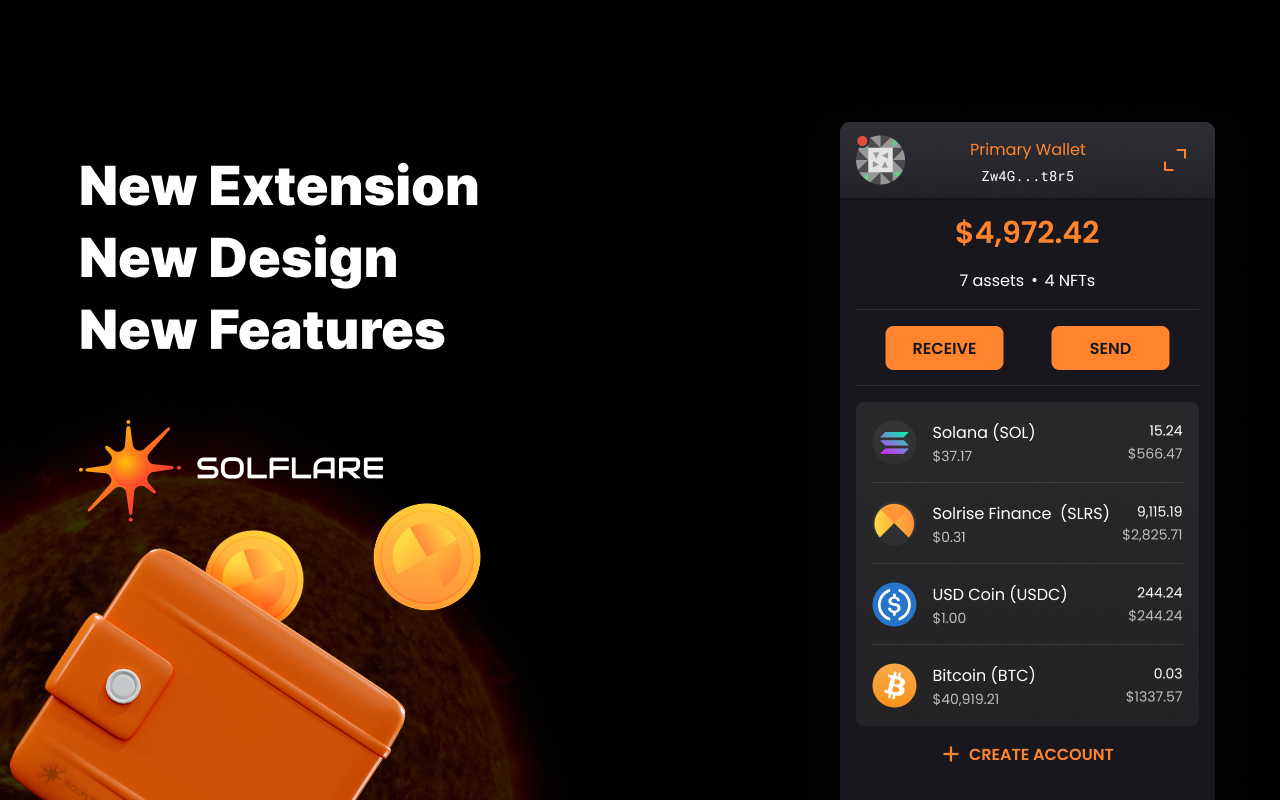
Using the solflare wallet, for example, you get a clearer snapshot of these nuances. It shows token balances, staking rewards, and even lets you explore each transaction’s metadata. At first, I was just skimming through, but then I started noticing patterns—like certain transaction types that triggered higher fees or delays. That was a bit of an “aha!” moment.
And don’t forget, transaction history can be your best friend when it comes to troubleshooting. If you suspect unauthorized activity or just wanna keep tabs on your DeFi interactions, having access to detailed logs is crucial. Some wallets barely scratch the surface, but others, like the Solflare extension, make it easier to spot inconsistencies.
On one hand, blockchain transparency means everything is recorded immutably. Though actually, the challenge lies in interpreting that data. You need a wallet interface that bridges the gap between raw blockchain data and user-friendly insights. Otherwise, it’s like having a gold mine but no tools to dig.
So, if you’re serious about managing your Solana assets, I’d say don’t settle for just any wallet. The extra effort to pick one like solflare wallet pays off in the long run—whether you’re staking, trading, or just holding.
Picking Your Validator: More Than Just a Name on a List
Validator selection is where the rubber meets the road. Seriously, this step can make or break your staking experience. When I first dipped my toes into staking, I just picked a validator with a high commission rate without thinking twice. Big mistake. My rewards took a hit, and I didn’t even realize why at first.
Validators vary widely. Some offer low commissions but have unstable performance. Others are reliable but charge higher fees. Then there’s the question of decentralization. Do you want your stake concentrated on a mega-validator, or spread out to support network health? Hmm, it’s a trade-off.
Using tools within the solflare wallet, you can actually review validator stats like uptime, commission, and total stake delegated. This is super handy because it lets you make an informed choice rather than flying blind. There’s also community trust to factor in—sometimes a smaller validator has a passionate following that aligns with your values.
But here’s a wrinkle: validator stats can fluctuate. A validator might look stellar today but could have issues next month. So, ongoing monitoring is key. I’ve gotten into the habit of checking my chosen validators every few weeks. It’s a bit of a hassle, I won’t lie, but it’s worth it if you’re serious about maximizing rewards and supporting a healthy network.
And yeah, sometimes your gut feeling matters. My instinct said to avoid overly centralized validators, even if they had flashy numbers. Turns out, decentralization is a big deal for Solana’s long-term resilience.
Why Solflare Wallet Stands Out for Transaction and Validator Management
Here’s what bugs me about many Solana wallets: they either aim for simplicity and hide crucial info or they overwhelm you with technical jargon. Solflare wallet strikes a sweet spot. It’s not perfect, but it’s very very important for users like me who want clear transaction histories and smart validator selection tools without drowning in blockchain noise.
The extension lets you track your staking rewards in near real-time, view detailed transaction logs, and switch validators fairly easily. Plus, it integrates well with DeFi apps, so you’re not juggling multiple tools. That’s a big deal if you’re active in the ecosystem.
Oh, and by the way, the wallet’s interface is pretty intuitive for its feature set. I’ve shown it to friends who aren’t hardcore crypto nerds, and they picked it up fast. That’s a rare win in this space.
One thing I’m still figuring out is how to best automate validator monitoring. The wallet helps, but I suspect third-party tools might be necessary for power users. I’ll keep you posted if I find a killer combo.
Until then, I recommend giving the solflare wallet a spin if you want to get serious about your Solana transaction history and validator choices. It’s like having a reliable co-pilot on your crypto journey.
Frequently Asked Questions
How can I view detailed transaction history on Solana?
Many wallets show basic transactions, but to get detailed info, use tools like the solflare wallet extension. It displays token transfers, staking rewards, and even smart contract data in a user-friendly way.
What should I consider when selecting a validator?
Look at uptime, commission rates, total stake, and decentralization impact. Also, community reputation matters. Tools integrated in wallets like solflare help you compare these factors easily.
Can I change validators after staking?
Yes, you can redelegate your stake to a different validator, but be aware of the cooldown periods and potential reward impact. Wallets like solflare provide options to manage this without hassle.